
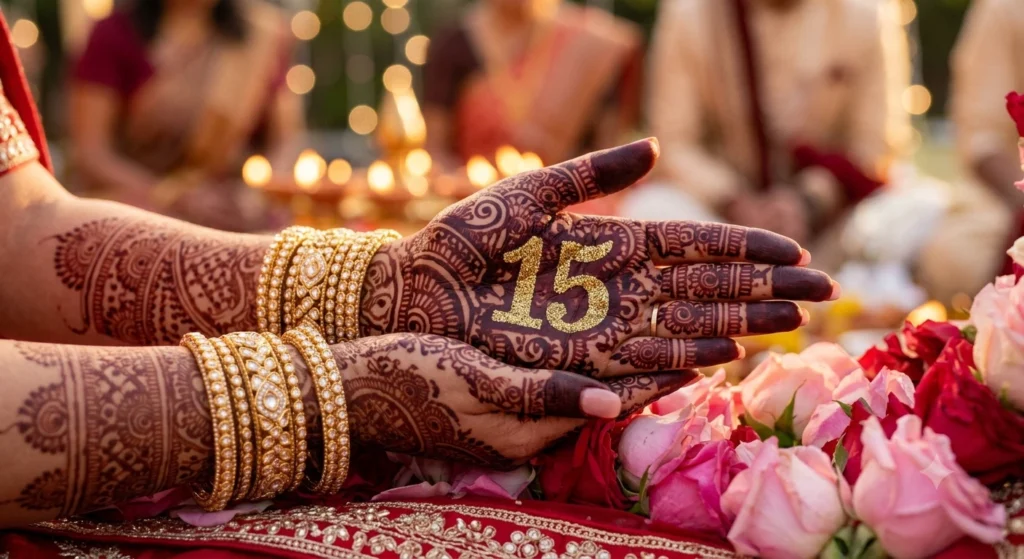
Applying mehndi is an important tradition for weddings, festivals, and special occasions. Whether you’re getting ready for a bridal event or celebrating a festival, everyone wants a rich, dark henna stain. While the quality of the henna plays a major role, proper aftercare is equally important.
In this guide, you’ll discover 15 tips to make mehndi darker using natural methods that are safe, effective, and easy to follow.
1. Use Fresh Natural Henna
Fresh henna leaves produce the darkest stain. Always choose high-quality natural mehndi powder without added chemicals.
Fresh henna releases more dye, giving your skin a deeper and longer-lasting color.
2. Leave Mehndi On for 8–12 Hours
One of the biggest mistakes people make is removing mehndi too early.
The longer the paste remains on your skin, the more dye it releases.
For best results, keep it on overnight.
3. Apply Lemon and Sugar Solution
Once the mehndi starts drying, dab a mixture of lemon juice and sugar onto the design.
Benefits:
- Keeps the mehndi moist
- Prevents cracking
- Helps the paste stay attached longer
Don’t soak the mehndi—lightly dab it.
4. Avoid Washing with Water Immediately
Never wash fresh mehndi with water.
Instead:
- Scrape it off gently.
- Apply oil afterward.
- Wait at least 12 hours before washing.
Water slows down stain development.
5. Warm Your Hands Over Cloves
Heating your hands over clove steam is a traditional trick.
The mild heat helps activate the henna dye, making the stain appear darker.
Be careful not to burn your skin.
6. Apply Mustard or Coconut Oil
Once you remove the dried mehndi, apply:
- Mustard oil
- Coconut oil
- Olive oil
Oil protects the stain and allows oxidation to continue.
7. Keep Your Hands Warm
Cold weather can reduce stain intensity.
Wear gloves or keep your hands warm after removing mehndi.
Warm skin develops darker stains.
8. Avoid Soap for the First 24 Hours
Soap contains chemicals that can fade the stain quickly.
Use plain water only if necessary during the first day.
9. Don’t Use Sanitizer
Alcohol-based sanitizers dry out the skin and lighten mehndi.
If possible, avoid sanitizers for the first 24–48 hours.
10. Avoid Chlorinated Water
Swimming pools contain chlorine, which can fade mehndi rapidly.
Avoid swimming for at least two days after application.
11. Use Essential Oils Before Applying Mehndi
Essential oils rich in terpenes improve henna staining.
Examples include:
- Lavender oil
- Tea tree oil
- Eucalyptus oil
Apply a small amount before your mehndi session.
12. Let the Color Develop Naturally
Fresh mehndi is usually orange.
Don’t worry.
It gradually changes to:
- Orange
- Brown
- Deep reddish-brown
The darkest shade typically appears after 48 hours.
13. Avoid Waxing or Scrubbing
Exfoliating removes the top layer of skin, where the henna stain develops.
Avoid:
- Waxing
- Scrubs
- Chemical peels
before and immediately after mehndi application.
14. Stay Away from Bleach Products
Cleaning chemicals and bleach can fade your mehndi quickly.
Wear gloves while cleaning during the first few days.
15. Moisturize Regularly
Dry skin fades mehndi faster.
Keep your hands moisturized with natural oils or fragrance-free lotion to help the stain last longer.
Common Mistakes That Prevent Dark Mehndi
Avoid these common mistakes:
- Washing mehndi too soon
- Using old henna powder
- Applying low-quality chemical cones
- Removing the paste before it dries properly
- Using soap immediately
- Frequent hand washing
- Scrubbing the skin
- Swimming in chlorinated water
Frequently Asked Questions
How long does mehndi take to become dark?
The stain usually reaches its darkest color within 24–48 hours after removing the paste.
Does lemon and sugar really make mehndi darker?
Yes. It keeps the paste moist and helps it stay on the skin longer, allowing the dye to penetrate more effectively.
Can coconut oil darken mehndi?
Coconut oil doesn’t directly darken the stain, but it protects the design and supports the natural oxidation process.
Is clove steam safe?
Yes, when used carefully. Keep a safe distance from the hot cloves to avoid burns.
Which oil is best for dark mehndi?
Popular choices include:
- Mustard oil
- Coconut oil
- Olive oil
- Eucalyptus oil (before application)
Final Thoughts
Getting a rich henna stain isn’t just about buying the best cone—it’s also about proper care before and after application. By following these 15 tips to make mehndi darker, you can enjoy a deeper, richer, and longer-lasting stain for weddings, festivals, and other celebrations.
Patience is key. The color naturally deepens over the first two days, so avoid washing, scrubbing, or exposing your hands to harsh chemicals during that time. With the right techniques, your mehndi can stay vibrant and beautiful for much longer.